WHOOP Is Moving Into Health Screening and Cancer Detection—Here's What That Actually Means
WHOOP is expanding beyond fitness recovery into clinical health screening. What's real, what's hype, and when will US users actually see it?
When I first turned on my WHOOP in 2024, I was mostly worried about whether I was sleeping enough and when to fit in tempo runs. Two years later, the company announces it wants to help detect cancer. That's quite a leap—and worth digging into what's actually behind it versus what's still just vision.
What WHOOP Actually Announced
In late August 2026, the New York Post reported that WHOOP is expanding from fitness and recovery tracking into health screening—including early cancer detection. It's not totally out of left field. WHOOP already launched WHOOP Labs (on-demand blood tests), added features like Heart Screener for detecting atrial fibrillation, and brought on Dr. Ami Bhatt as Chief Medical Officer, formerly head of digital health at the American College of Cardiology.
But this new phase pushes things further. WHOOP clearly doesn't want to just tell you how well you slept. It wants to be part of preventive medicine.
What This Actually Means (and What It Doesn't)
Let's break down what exists now versus what's still aspirational.
What's Already Live:
- WHOOP Labs offers blood tests (hormones, inflammation markers, metabolic panels) ordered straight from the app—currently US only
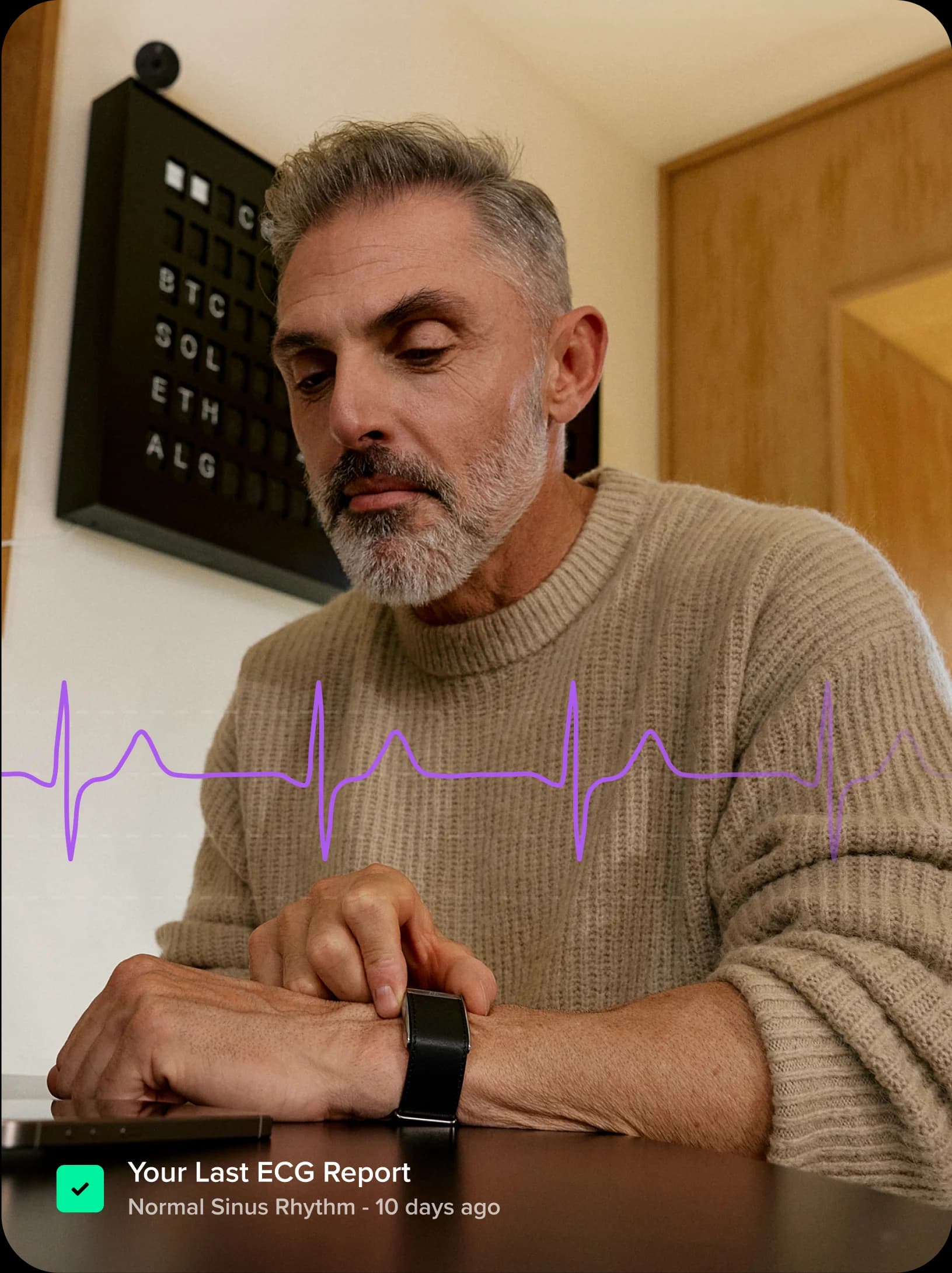
- Heart Screener can detect heart rhythm irregularities, specifically atrial fibrillation
- Continuous monitoring of resting heart rate (RHR), heart rate variability (HRV), and skin temperature—data that can flag health issues before symptoms show up
What's Still Vision:
- Cancer detection from wearable data. Let's be honest here: no wristband today can diagnose cancer. What we're talking about is the ability to catch anomalies—unusual shifts in HRV, temperature, or inflammatory markers—that might warrant an earlier doctor's visit. That's a huge difference from "WHOOP detects cancer."
No wearable replaces actual medical diagnosis. Even the best screening signal from a band is just a reason to see your doctor. WHOOP itself emphasizes this.
Why It Makes Sense—and Why It's Risky
From a business angle, it's a logical move. WHOOP has a massive database of physiological data from people wearing the band 24/7—including sleep. Combining long-term trends in HRV, temperature, and blood work can genuinely surface patterns you'd miss on your own.
At the same time, it's risky territory. Health claims are regulated—in the US by the FDA, in Europe by MDR (Medical Device Regulation). WHOOP already went through a round with the FDA over blood pressure measurement and had to adjust its messaging. Moving into screening will require way more clinical studies and approval.
Bringing Dr. Bhatt into leadership signals that WHOOP is serious about this and doesn't want to be another startup making health promises without evidence.
What This Means for US Users (and Beyond)
Honestly? Not much in the short term. WHOOP Labs blood tests only work in the US right now. Health screening features will probably be US-first too. And anything that goes to Europe will need European certification first.
What you can use right now:
- Tracking long-term trends—if your HRV is gradually dropping or your RHR is creeping up with no obvious reason (overtraining, illness, stress), that's a legitimate reason to get checked out
- Heart Screener—atrial fibrillation detection works globally, and that's genuinely useful
- Your own data as talking points with your doctor—I showed my doctor my HRV trend over six months at my last checkup. He wasn't thrilled with the format, but he appreciated that I had actual data
My Take
I'm glad WHOOP is heading this direction. But I'm allergic to headlines like "wristband detects cancer." The reality is more mundane and more important at the same time: wearables can be part of preventive care, not a replacement for it.
If WHOOP can pull together continuous monitoring, solid blood tests, and clinically validated algorithms—and if it eventually opens this up beyond the US—it'll be way more valuable to regular users like me than another strain score metric. But the road there is long and full of regulatory hurdles. And that's actually good. I don't want my wristband telling me I have cancer based on a poorly calibrated model.
For now, I'm watching what comes next. And I'm still wearing WHOOP—even if it never does more than it does today, the data is worth it.
Want a WHOOP too?
Through my link you get the WHOOP hardware free + the first month of membership free. WHOOP rewards me with one month back. Win-win, costs you nothing extra.
Get WHOOP free →